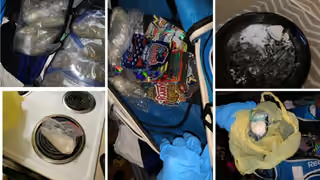
On 21 August 2012, officers executed sealed search warrants on 60 properties across Harris, Fort Bend and Montgomery Counties, finding 40 active hydroponic grow houses with plants in various stages of growth.[1][2] The searches seized about 13,907 plants, ranging from at least 100 to more than 850 per house, plus growing equipment and gear from a suspected hydroponic storefront and warehouse.[1][2] Twenty-four people were arrested that day at homes and suspected grow sites.[1][2]
On 19 September 2012, a federal grand jury indicted 27 people for conspiring to possess with intent to distribute more than 1,000 marijuana plants and conspiring to maintain a place for manufacturing drugs.[2] The indictment also sought forfeiture of vehicles, cash and hydroponic equipment.[2] Fourteen additional grow houses had already been searched during the investigation, bringing the overall total to about 19,000 plants.[1][2]
Sentences
With the sentencing of Yen Thi Do on 5 December 2013, all 24 arrested defendants had been convicted and ordered to prison.[3] Do, a grow-house tender who had come from Boston, pleaded guilty to conspiring to maintain a premises for manufacturing marijuana and received 57 months plus three years of supervised release.[3] On 27 November 2013, Judge Sim Lake sentenced the three highest-ranking members, Thu Loan Dinh to 108 months and Van Long Tran and Thang Van Doan to 97 and 78 months respectively, for leading an organisation that generated hundreds of thousands of dollars each quarter from high-potency marijuana.[3] The other 20 tenders and maintenance men received up to 56 months.[3]
Each grow house had been leased from unsuspecting homeowners as a family residence but used only for cultivation, with interiors rebuilt for rapid growth while lawns were kept neat to avoid attention.[3] Agents also seized 121,000 dollars in cash, vehicles and equipment.[3] All the defendants were born in Vietnam and most were naturalised Canadian, Swedish or United States citizens or resident aliens, with foreign nationals subject to deportation after prison.[3]