On 2 September 2026 Santiago’s Fourth Guarantee Court granted pretrial detention to eight accused formalized in Operación Imperio Amsterdam for drug trafficking, cannabis cultivation, diversion of an authorized grow, criminal association and money laundering.[1][2] The hearing involved 14 other accused present, for whom the court applied other precautionary measures.[1] Those measures included total or partial house arrest, national travel bans, no-contact orders and monthly reporting during the investigation, with a 120-day investigation period.[1] Two weeks earlier the Aysén regional prosecutor had said it would seek pretrial detention for 23 accused, including managers of Dispensario Nacional and M.A. Botanics, before the same Santiago court.[3] In that earlier round the court had already placed Mathiuws Van Eijck Edwards and Raúl Bravo under total house arrest with a travel ban and no-contact order, and Eduardo Gendelman under a travel ban and no-contact order.[3]
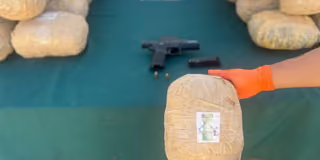
The investigation totals 72 accused detained in the national operation.[1][2] The simultaneous sweep was carried out on 13 August in nine regions from Antofagasta to Aysén.[1] Two of those detained were held in Coyhaique at the Dispensario Nacional branch on Arturo Prat 408.[1] The sweep involved 42 entry and search orders with more than 500 police officers and about 20 prosecutors deployed.[4] Prosecutors allege the organization’s gains exceeded 8 billion pesos.[3] A case report says DN Medcorp received transfers, deposits and other income of 8,089 million pesos during the period under review.[4]
Prosecutors say leaders ran the scheme through DN Medcorp using cannabis produced by MA Botanics and other clandestine growers, sold through franchises or directly via Dispensario Nacional.[1][2] MA Botanics kept a grow in Pelarco in the Maule region under a farm-agency authorization to cultivate CBD cannabis.[4] That authorization was openly and deliberately breached to produce high-THC cannabis that was then distributed and sold massively across regions.[1] The inquiry began in June 2024 with an investigation of a Coyhaique cannabis dispensary.[4] From the consumer side members were asked for a medical prescription with a generic diagnosis and cannabis treatment plus a criminal-record certificate free of drug convictions, requirements prosecutors call merely formal.[1]
On 19 August the court ruled the 72 detentions lawful and imposed total house arrest, a national travel ban and a ban on contact with other suspects on 10 of the 19 accused handled that day, including television personality Camilo Huerta, nighttime house arrest on five and fortnightly signing for the remaining four.[2] The Aysén regional prosecutor, Hernán Libedinsky, described the accused as an organization that shared out roles “to sow, cultivate, harvest, distribute and sell drugs”.[2] El País reports that the network sold high-THC marijuana through 21 dispensaries from the country’s north to its south.[2] A medical cover with minimal checks let anyone with membership, a prescription, a clean record certificate and a 10,000-peso fee (11 dollars) buy at any branch, and undercover Carabineros obtained prescriptions within minutes through digital platforms.[2] In a tapped conversation, Astorga said the company’s billing rose from 12 million pesos a month (about 13,000 dollars) to 750 million pesos a month (813,343 dollars), with payments through Mercado Pago and GetNet taking in a little over nine million dollars.[2] Lawyer Hernán Bocaz drafted the Dispensario Nacional franchise contracts and advised members with criminal problems, and OS-7 reports say he recommended alternative routes for moving cannabis and knew about cash-remittance transport, taking fees and discounts on marijuana purchases.[2] Among the 44 accused were musician Juan Pablo Astorga Rodríguez and Luis Bernardo Vásquez, director of the Maule social-security institute, and WhatsApp chats mention deputies Marisela Santibáñez and Ana María Gazmuri and senator Manuel José Ossandón as possible contacts to exert influence; all three denied any link.[2]