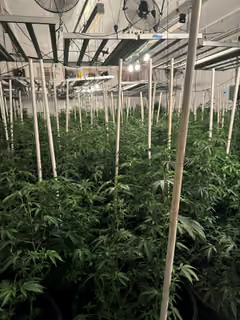
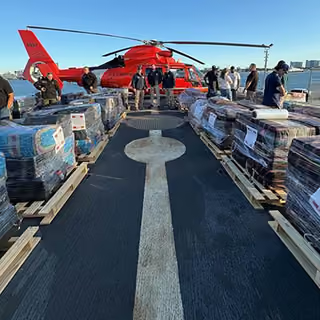
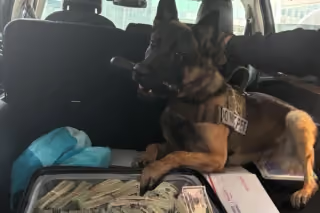
The Drug Enforcement Administration announced the culmination of Operation Sweet Tooth, a 24-month Organized Crime Drug Enforcement Task Force investigation into international ecstasy and marijuana trafficking rings with ties to the Far East, Canada and the United States, on 17 November 2005.[1] The operation spanned 12 US judicial districts and ran to 291 arrests and 98 search warrants executed in the United States and Canada, coordinated by the DEA’s Special Operations Division.[1] Seizures totalled 931,300 ecstasy tablets, 1,777 pounds (about 806 kg) of marijuana and 7.75 million dollars in assets, dismantling two major transportation rings tied to 61 domestic investigations.[1] Administrator Karen P. Tandy said the traffickers had refined the methods of an earlier ecstasy ring broken up in Operation Candy Box, moving some 1.5 million tablets a month, and credited Vietnamese and Canadian assistance with exposing the groups’ bulk-cash couriers and underground banking.[1]
Sacramento and Los Angeles cells
In Sacramento, federal arrest warrants issued on 14 November charged six people with conspiracy to possess ecstasy and marijuana with intent to distribute and unlawful use of a communication facility.[2] Agents arrested Tri Huu Bui and Tung Thanh Huynh at their Sacramento homes that morning while alleged ring leader Tho Le and three others remained at large.[2] The cell had been under investigation since October 2004: Le allegedly moved thousands of ecstasy pills from a northern California source to Los Angeles and arranged high-grade Canadian-grown marijuana for the return run to Sacramento, and agents seized 50 pounds of so-called BC Bud and over 90,000 dollars in currency from the group.[2]
In Los Angeles and Orange counties, more than 100 officers arrested nine people in early-morning raids after a 17-month investigation into a distribution group the DEA said moved about 500,000 ecstasy tablets and about 800 pounds of marijuana a month from Vancouver and Toronto suppliers to customers in a dozen US cities.[3] Drug proceeds travelled back to Canada as bulk cash or through money remitters.[3]