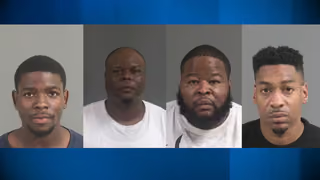
Detroit police raided a medical cannabis cultivation facility in the 4400 block of West Jefferson Avenue on the afternoon of 29 May 2018 and seized cannabis they valued at about $1 million from what officers described as a longstanding operation near the Detroit River.[1] Four men and two women between the ages of 20 and 50 were arrested.[1] Officers said a patrol investigating other cases in the area had smelled marijuana about a week earlier and passed the tip to the Gang Intel Unit and a US Border Patrol unit.[1]
The building at 4473 W. Jefferson Avenue was owned by former NBA player Al Harrington and managed by the Denver-based cannabis company Viola Brands through D. Savage LLC.[2] The company said it believed it was operating legally under permits from the city, including a temporary state licence allowing cultivation of up to 1,500 plants, and that employee Cortea Jones was thrown to the ground and handcuffed at gunpoint when she went outside with the paperwork.[2] All six workers were charged with delivery or manufacture of 45 kilograms or more of marijuana or 200 or more plants, a felony carrying up to 15 years in prison.[2]
On 31 July 2018, 36th District Court Judge Kenneth King dismissed all the charges at the preliminary hearing, ruling the facility was within the bounds of its temporary licence.[2] “In the interest of fairness and in the spirit of always trying to do the right thing, this court is left with no other choice but to dismiss this matter,” he said.[2] Asked by prosecutors who claimed the business was licensed only to dispense, not grow, he replied: “If you’re able to dispense but you can’t grow it, how are you supposed to get it? Where are you supposed to get it from?”[2] The company said police also seized all cannabis at the site, froze business accounts and took employees’ vehicles.[2]
At a 12 July press conference Harrington and businesswoman Wanda James called the raid biased against minority operators, saying police would have acted differently had the six workers been white.[3] A local TV station had described the site as a “sophisticated marijuana grow setup” hiding in plain sight, which Harrington disputed, saying the build-out had proceeded openly alongside the city.[3] The dismissal came the same day the Detroit City Council approved an ordinance capping the city’s marijuana facilities at 75.[4]