43 held as Bolivia seizes 4.7 tonnes of marijuana in carnival drive
Bolivia's authorities seized 4.7 tonnes of marijuana in 133 operations under Plan Carnaval con Seguridad, apprehending 43 people and destroying five drug factories. The same campaign seized 79 kilos of cocaine, with the largest marijuana finds reported in Oruro and Cochabamba.
Bolivia’s Vice-Minister of Social Defence and Controlled Substances, Ernesto
Justiniano, announced the results of the nationwide Plan Carnaval con Seguridad
anti-drug operation.[1]The report covers 133 operations carried out across
the country, which destroyed five drug factories and led to the apprehension of
43 people linked to drug trafficking.[1]
Officers seized a total of 4.7 tonnes of marijuana alongside 79 kilos of cocaine
during the carnival operation.[1]The largest marijuana cases were more than
3.2 tonnes in Oruro and 1.3 tonnes in Cochabamba, where clandestine factories
were also destroyed.[1]In Santa Cruz officers seized more than 83 kilos of
marijuana and cocaine capsules, in Potosi 21 kilos of marijuana hidden in
parcels, in Tarija drugs were seized and plantings eradicated, while in Beni
hangars and aircraft linked to drug trafficking were sealed.[1]
The Vice-Ministry of Social Defence said 133 operations were carried out under
Plan Carnaval con Seguridad.[2]In Santa Cruz, 83 kilos of marijuana and
cocaine capsules were confiscated.[2]In Beni, hangars and light aircraft
allegedly linked to drug trafficking were intervened and sealed.[2]Justiniano
described the outcome as a result worth celebrating with joy, crediting the
sustained work of the men and women providing security and protection.[1]
Photos and video
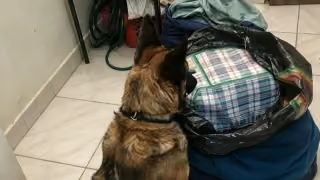
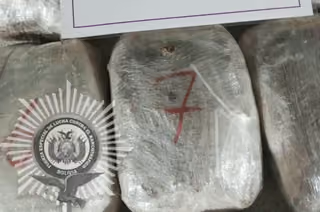
Anti-drug operation photo published with the carnival seizure report. Photo: FELCN.Photo details
Red Unoreduno.com.boESFelcn decomisa 4,7 toneladas de marihuana y 79 kilos de cocaína durante Carnaval
Open questions the AI reported
The articles give 18 February 2026 as the announcement and publication date and say operations occurred during the carnival days; no separate operation dates are given, so that date is used as the incident date.
The 79 kilos of cocaine are mentioned only to explain the mixed seizure and are excluded from the cannabis figure; only the 4.7 tonnes of marijuana are recorded as 4700 kg.
The regional amounts in Oruro, Cochabamba, Santa Cruz and Potosi are components of the 4.7-tonne total, not additional seizures.
No charges, custody decisions or court outcomes for the 43 apprehended people were reported.
No weight was given for the five destroyed factories, no area or plant count for the Tarija eradicated plantings, and no quantities for Tarija or Beni beyond the description.
Both accounts repeat the Vice-Ministry's official report without independent verification.
Felcn's detector dog Lía alerted on two bags in the parcel store of an interprovincial transport company in southern Cochabamba. Officers found 42 vacuum-sealed packages that tested positive for marijuana. No weight or arrest was reported.
Police and prosecutors in Bermejo seized 42.2 kg of marijuana plus 4 grams of cocaine from a vehicle that tried to evade a checkpoint. Four people were charged, with two in preventive detention and two under house arrest, a split the prosecution has appealed.
Bolivia's anti-drug force FELCN seized 18 packages of marijuana from an international bus luggage compartment at the Terminal Bimodal in Santa Cruz and another 10 packages testing positive for marijuana and cocaine base paste from a vehicle near San Ignacio de Velasco. The force opened investigations into the shipments without releasing their weight or saying whether anyone was detained.
Bolivia's interior minister said the more than 30 suitcases flown from the United States to Viru Viru airport in November 2025 carried altered marijuana intended for the high-priced Brazilian market. A January search of property linked to former judge Hebert Zeballos did not find the suitcases but seized 70 kilograms of marijuana.