DEA eradicates 65,000-plant grow on Yakama Nation land, three held
DEA-led teams eradicated more than 65,000 cannabis plants from three fields on Yakama Nation land near Satus Pass on 26-30 August 2004, a haul valued at about $35 million. Three men from Jalisco, Mexico, hired as gardeners at $100 a day, were apprehended at the site and jailed pending federal court.
🇺🇸 Near Satus Pass, Yakama Nation Reservation, Klickitat County · Washington, United States
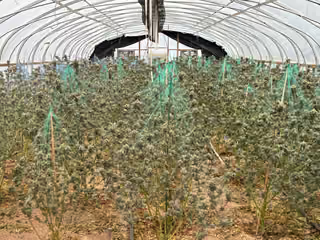
On 26 and 27 August 2004, agents from the DEA’s Yakima and Spokane offices
with state, county and tribal officers eradicated a field of 29,000 mature
cannabis plants on Yakama Nation tribal lands in Klickitat County.[1]DEA
air support then spotted two more fields, and agents eradicated about 40,000
further plants on 30 August, bringing the total above 65,000 plants worth an
estimated $35 million.[1]The Yakima Herald-Republic described three huge
fields near Satus Pass, with plants up to seven feet tall uprooted over six
days and flown out of the woods by helicopter in cargo nets.[2]
Three men apprehended at the grow site were named as Ricardo Rodriguez, 27,
Mario Rodriguez, 33, and Francisco Davila, 27, all of Jalisco, Mexico.[1]They were charged with manufacturing and conspiracy plus an immigration
violation of entry without inspection, and were held in Yakima County Jail
pending a first appearance before a federal magistrate on 1 September.[1]The Herald reported the men were paid $100 a day as gardeners, were
cooperating, and were expected to appear before a federal magistrate in
Yakima, with the resident agent anticipating more arrests.[2]
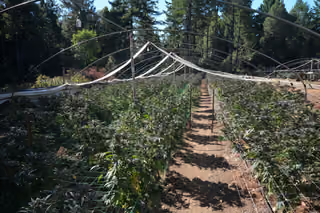
The fields had elaborate irrigation with a drip line for each plant, four
camp sites for the hired tenders, and thinned trees for sunlight, all within
a few miles of Highway 97 at Satus Pass.[1][2]A later DEA bulletin called
the grows sophisticated, each with its own camp for the tenders.[3]The
plants were maturing fast but not fully grown, and would normally have been
harvested around the first freeze in October.[2]
Case data
Every number and detail the sources state, with the sources that state it.
The DEA announcement names three men apprehended at the grow site, while the later DEA bulletin reported no one present at the seizures and two arrests shortly afterwards.
A later Bureau of Indian Affairs account described a 60,500-plant, 30-ton eradication on the reservation as the largest in state history, and it is unclear whether that is a revised tally of this operation or a separate 2005 seizure, so it is left out here.
The reports do not say what became of the three men after their 1 September 2004 appearance before a federal magistrate in Yakima.
The Herald notes a smaller 15,000-plant seizure near Satus Pass the previous year, a separate event left out here.
No photograph of the operation with a recoverable direct image address was found in the opened sources.
California's Unified Cannabis Enforcement Task Force seized or destroyed 55,308 pounds of illicit cannabis and eradicated 108,226 plants between July and September 2026, Governor Gavin Newsom's office said. The quarter's operations across nine counties led to 14 arrests, nine firearms and $29,215 in cash, and brought the state's nine-month total to more than $230 million in cannabis.
Arrested 14Plants destroyed 108,226Cannabis 25.0873 t
Humboldt County sheriff's deputies eradicated about 3,102 cannabis plants and destroyed about 36 pounds of processed cannabis at two unlicensed grows near Alderpoint and Garberville on 5 and 6 October 2026. No arrests were made and the cases were sent to the District Attorney for review.
On 25 September 2026 New Mexico's Regulation and Licensing Department Enforcement Bureau and the Organized Crime Commission raided 102 Howell Road in Estancia, Torrance County, seizing and destroying about 6,300 mature cannabis plants in 21 greenhouses weighing an estimated 21,000 pounds. The case remains open for prosecution.
On 16 September 2026 U.S. Forest Service officers, Glenn County’s Major Crimes Task Force and a Forest Service helicopter team eradicated about 700 cannabis plants from an illegal grow in remote Mendocino National Forest. No arrests were reported.