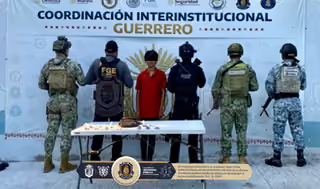
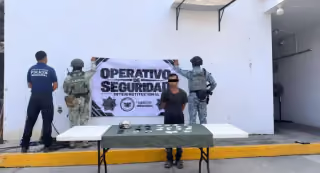
Mexican soldiers arrested seven members of the country’s elite anti-drug agency in Tijuana on 10 January 2003 after finding nearly five tons of marijuana hidden unreported in the agency’s own building.[1] The detained men belonged to FEADS, the Special Prosecutor’s Office for Attention to Crimes Against Health, and included the Tijuana post’s commander, Miguel Angel Uribe.[1] Soldiers also found two civilians in the building who had been seized three days earlier and were presumed to own the marijuana.[1]
The Attorney General’s office said the agents had never reported the seizure as the law required, raising suspicion they were in traffickers’ pay.[1] The seven were accused of offering to free the two dealers and hand back the drugs for a US$2 million bribe.[2]
FEADS had been created in 1997 after its predecessor agency was disbanded when its agents were found serving traffickers.[1] Days after the Tijuana arrests, soldiers raided FEADS offices in 11 states and questioned all 200 staff; Attorney General Rafael Macedo de la Concha closed the agency permanently and moved its work to an organised-crime unit.[2] Macedo said more than 800 staff had been suspended, fired or charged since December 2000, with 1,300 more under investigation.[2]
The closure showed the military’s growing counter-drug role, a shift that Amnesty International’s Eric Olson called risky for an institution beyond public scrutiny.[2]