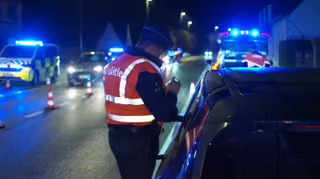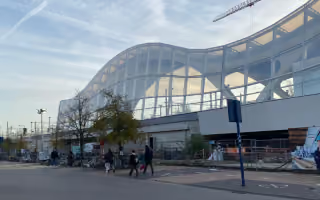
Police in the Rivierenland zone stopped more than 2,300 commuters at the stations of Mechelen and Nekkerspoel on the afternoon and evening of Thursday 19 November 2026.[1][2][3] Officers in uniform and in plain clothes checked travellers as they stepped off buses and trains, helped by federal police drug-dog handlers and Securail rail security staff.[1] Dozens of travellers had drugs on them, some in user quantities and others suspected of dealing, said Dirk Van de Sande of the Rivierenland police zone.[4] One traveller who had breached his pre-trial detention was arrested at the station and taken to prison.[4] Another person wanted in a criminal case was taken to a police station for further investigation.[1][2][3]
At Nekkerspoel, officers checked the passengers of 11 buses, a drug dog indicated three people and police drew up an official report for drug dealing.[1][2][3] At Nekkerspoel two of the people checked were already known to police for earlier offences.[3] The 11 buses checked at Nekkerspoel carried more than 110 passengers.[2] Police seized 55 grams of cannabis at Nekkerspoel and a further 6.62 grams at Mechelen central station, 61.62 grams in all.[1][3] At the central station about 2,200 commuters were checked and a drug dog indicated 51 people for further checks.[1][2] At the central station 34 of those checked were already known to police for earlier offences.[2] Officers at the central station also seized 6.62 grams of cannabis, 49.44 grams of methadone, 22 snorting tubes, 14 syringes and 27 empty grip bags.[1] The same checks turned up nearly half a kilogram of mephedrone, 195 steroid pills, 75 milligrams of parabolan and two airsoft weapons, none of which is counted in the cannabis figures.[1] Police recorded offences of drug possession, drug dealing, resisting officers and illegal weapons possession; seven people were reported for drug possession and two were caught with airsoft weapons.[1] In all, two people were given official reports for drug dealing.[3] Three people were reported for failing to comply with conditions imposed on them.[2][3]
The Rivierenland police zone carries out such checks regularly and says the results show they remain necessary.[4] Dirk Van de Sande of the Rivierenland police zone said the checks aimed to tackle nuisance and drug crime on and around public transport.[2] “It is actually regrettable that so many violations are still being established,” Van de Sande said, adding that such operations would continue.[4]