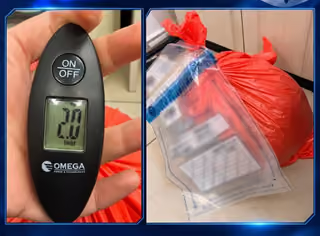
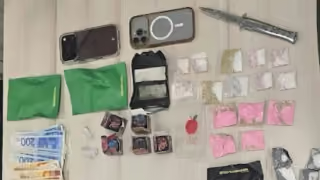
A 44-year-old Kiryat Bialik resident who ran a cannabis lab in a rented flat in the city with 230 plants will serve nine months of imprisonment in community service.[1] Haifa District Court presiding judge Avi Levi stepped in the defendant’s favour from the penalty range he had set, because of the restorative process the defendant, identified by his Hebrew initials M.A., had completed.[1]
According to the amended indictment, in August 2024 the defendant rented a flat in Kiryat Bialik for 5,000 shekels a month to set up a drug lab in it.[1] When he was arrested on 19 February 2025, 230 cannabis plants with a total net weight of 64.46 kg were growing in three rooms of the flat, alongside equipment used for growing.[1] The flat’s electricity was connected directly to the electricity company’s equipment by bypassing the meter, and the defendant had fraudulently consumed electricity worth tens of thousands of shekels.[1]
In November 2025 the defendant pleaded guilty in a plea bargain that did not include agreement on the sentence, and was convicted of manufacturing, preparing and producing a dangerous drug, of possession of a drug not for personal use, and of electricity theft.[1] The prosecutor, attorney Yniv Zohar, argued that running a lab evidences a clear criminal intent because it required planning, equipment and an illegal electricity connection and was driven by financial motive rather than personal need; the prosecution asked for a 24-to-48 month penalty range, real prison time at the lower end, a driving-licence suspension and a declaration that the defendant was a drug dealer.[1] The defence, attorney Ilan Alimelech, argued that the defendant had grown the drug for his own use and asked the court to take into account his guilty plea, his taking of responsibility and the long period his liberty had been restricted; in his view the parole service’s recommendation should be adopted and even community service avoided.[1]
The parole service described in its report a man with no criminal record who, since the conviction, had joined a treatment process, kept stable employment and met the conditions set for him; its recommendation was a probation order for a year and 200 hours of community service.[1] Judge Levi found that the defendant was the sole actor and that the harm to the protected values was moderate, but the potential damage significant given the quantity of the drug and the chance it would be distributed; after reviewing the case law he set a range of 14 to 36 months’ prison.[1] In the judgment, handed down on 5 November, the defendant was sentenced to nine months’ imprisonment in community service, suspended prison sentences, an 18-month driving-licence suspension and 5,000-shekel compensation to the electricity company.[1]