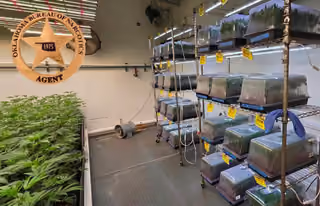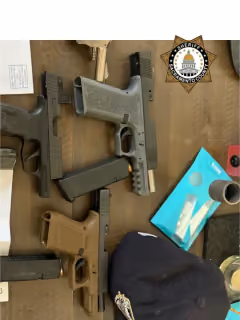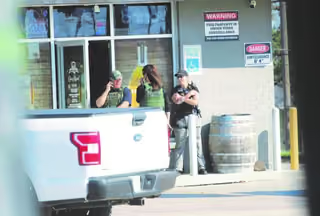
KBI agents with support from local law enforcement executed search warrants at 18 vape shops and CBD dispensaries in Wichita, Topeka, Salina, Great Bend, McPherson, Independence, Pratt, Abilene, Ulysses, Concordia and Sedan between October 1 and 2, 2025.[1] Two people were arrested in Ulysses on October 2 for moving illegal THC products to evade law enforcement detection.[1] Gregory Reese, 63, of Ulysses, was arrested around 12:15 p.m. at North Stubbs Road and East Road 9 in rural Grant County on charges including possession with intent to distribute, unlawful possession of a controlled substance, possession of paraphernalia, interference with law enforcement and having no Kansas drug tax stamp.[1] Tammy Reese, 59, of Ulysses, was arrested around 12:30 p.m. at Reese’s Enterprises at 119 West Oklahoma in Ulysses on charges including distribution of a controlled substance, possession of paraphernalia, unlawful possession of a controlled substance, interference with law enforcement, criminal use of a weapon and having no Kansas drug tax stamp.[1]
The KBI said it seized 5,494 ounces or 343.38 pounds, about 155.75 kg, of flower described as marijuana bud.[1] Agents also seized 43,867 THC pre-rolls described as pre-rolled joints.[1] Agents also seized 35,627 THC vapes.[1] Agents also seized 84,481 packages of THC and psilocybin edibles.[1] Agents seized $35,436 in currency.[2] Around 5 p.m. on October 2 the Kansas Highway Patrol stopped a 20-foot box truck on U.S. Highway 400 near Fredonia that was transporting THC products removed from the shelves of 19 Kansas shops, and KBI agents seized the truck and its contents.[1]
The operation began as raids targeting Kansas stores alleged to be selling illegal marijuana and THC products that stretched into a second day on October 2.[3] An early account said the KBI operation under Attorney General Kris Kobach and KBI director Tony Mattivi had targeted ten stores on October 1 and another five on October 2.[3] The KBI described the seized marijuana products as prohibited by Kansas law or suspected to contain unlawful amounts of THC.[1] Evidence from the cases was being tested and the investigations were ongoing.[1] The KBI said it would submit case findings to the prosecutor of jurisdiction for charging decisions, with possible charges including unlawful distribution of controlled substances and possession with intent to sell.[1]