Felcn seizes 29 marijuana parcels in Beni and seven bags in Cochabamba
Felcn seized 29 packages of marijuana at the Guayaramerín bus terminal in Beni and seven abandoned jute bags in Cochabamba's Ticti Norte in early July 2026, after a detector-dog alert and field tests confirmed the drug. No arrests were reported and investigations continued to identify those who sent and transported the cannabis.
Officers of the Fuerza Especial de Lucha Contra el Narcotráfico (Felcn),
Bolivia’s special force against drug trafficking, seized cannabis in two
operations in Beni and Cochabamba in early July 2026.[1]No one was arrested
in either case and investigators continued to identify those responsible for
sending and transporting the drug.[1]
The first operation was at the bus terminal of the municipality of Guayaramerín,
Beni, as part of the ‘200 años al servicio de la patria – Vías Seguras’
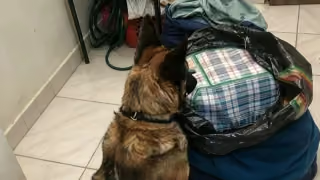
operations plan.[2]The detector dog ‘Red’ marked positively two cardboard
boxes sent from the city of La Paz.[2]After the alert, Felcn officers opened
the packages in coordination with the Public Prosecutor’s Office.[2]They
found 29 packages of different shapes and sizes containing marijuana; field
tests confirmed the substance and the whole load was seized.[1]
A second operation was carried out in the Ticti Norte area of Cochabamba, where
Felcn officers found seven abandoned jute bags containing marijuana.[1]Field
tests by the investigators were positive and the drug was seized under the
procedure established by the Public Prosecutor’s Office.[1]Felcn said both
operations were part of its permanent drug-interdiction work across different
regions of the country.[2]
Case data
Every number and detail the sources state, with the sources that state it.
El Debereldeber.com.boESCan antidroga detecta marihuana en encomiendas depositadas en terminal de buses
Open questions the AI reported
Neither account gives a separate calendar date for either operation; El Deber was published on 6 July and La Patria on 7 July 2026, and 7 July is used as the incident date.
No weight, value or laboratory confirmation was published for the 29 packages or the seven jute bags; identification rested on field tests.
The haul is counted in packages and sacks rather than plants or kilograms, so neither a plant count nor a cannabis weight can be recorded.
The La Patria article lists other, earlier seizures (Can Lía, Llallagua, El Alto) and national annual totals as background; these are separate events and figures and are excluded here.
FELCN officers seized more than a tonne of marijuana from two abandoned pickups beside the road to Santa Rosa de Yacuma, Beni. The occupants fled before the search and were not found despite a sweep of the area.
In a border operation on the Motacucito–Puerto Suárez road, UMOPAR officers from Puerto Quijarro detained two people and seized 146 packages of marijuana found in two premises, plus six hand-rolled marijuana cigarettes, under the Frontera Segura 2.0 plan. A motorcycle, a vehicle, a property, a .22 calibre firearm and two mobile phones were also seized; no weight was published.
FELCN Chuquisaca seized more than 110 kilos of marijuana in operations on 10 and 11 November in Canchas Blancas, Potosí, and the Senac zone of Sucre, apprehending two people and seizing an unplated vehicle. The main suspect, caught with 104.25 kg in a white minibus, was placed in 30-day preventive detention in San Roque prison.
Felcn's detector dog Lía alerted on two bags in the parcel store of an interprovincial transport company in southern Cochabamba. Officers found 42 vacuum-sealed packages that tested positive for marijuana. No weight or arrest was reported.