California CAMP eradicated a record 621,315 cannabis plants in the 2004 season
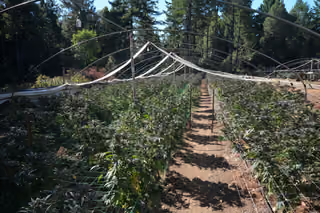
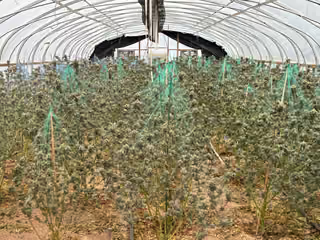
Attorney General Bill Lockyer announced that the Campaign Against Marijuana Planting eradicated a record 621,315 plants worth $2.5 billion across California in the 2004 season, raiding 757 gardens with 41 arrests and 53 weapons seized; Riverside County led with 97,104 plants.
🇺🇸 California (30 counties) · California, United States
On 5 November 2004 Attorney General Bill Lockyer announced that the Campaign Against
Marijuana Planting (CAMP) had seized a record 621,315 plants during the 2004 season,
155,000 more than the previous record, with an estimated street value of nearly
$2.5 billion.[1][2]A later department release confirmed the 621,315-plant total and
the $2.5 billion valuation, and gave the season’s enforcement totals as 757 gardens
raided, 41 arrests and 53 weapons seized.[3][4]
Riverside County had the highest county total with 97,104 plants, much of it in avocado
groves where officials said Mexican drug cartels set up after enforcement pressure in
the northern growing region; Fresno followed with 69,364, Lake with 64,198 and
Mendocino with 63,556.[1][2]Some 58 percent of all plants seized were found on
public land, and officials said 80 percent of the plants were grown by Mexican drug
organizations, with about 500,000 plants attributed to them.[1]
A bigger, more airborne campaign
CAMP added a fourth team in 2004 and worked four regions for months across state and
national parks, national forests, ranches, vineyards and timberlands.[1]Almost all
raids outside Riverside used helicopters for “short-haul” insertions, with agents
dangling from lines to drop onto gardens; only about a fourth of raids had used
helicopters five years earlier.[2]Lockyer said the average 2004 raid netted 3,400
plants, against 300 to 500 per garden in 1994.[4]The season saw two officer-involved
shootings and no fatalities, down from six fatalities and four non-lethal shootings
in 2003.[1]
Case data
Every number and detail the sources state, with the sources that state it.
A Riverside County account of the same announcement says officers arrested more than 50 people, against the Attorney General's figure of 41 used here.
The announcement totals one eradication season, not a single raid; individual garden sizes and labour conditions are not broken out.
The street value is the Department of Justice estimate, not a measured sale price.
No photograph of the 2004 operations with a recoverable direct image address was found: DEA and California National Guard archive searches surfaced no 2004-season photo, the Humboldt County CAMP 2004 final report is page-scan only with no separable photos, and the contemporary reprints carried no images.
California's Unified Cannabis Enforcement Task Force seized or destroyed 55,308 pounds of illicit cannabis and eradicated 108,226 plants between July and September 2026, Governor Gavin Newsom's office said. The quarter's operations across nine counties led to 14 arrests, nine firearms and $29,215 in cash, and brought the state's nine-month total to more than $230 million in cannabis.
Arrested 14Plants destroyed 108,226Cannabis 25.0873 t
Humboldt County sheriff's deputies eradicated about 3,102 cannabis plants and destroyed about 36 pounds of processed cannabis at two unlicensed grows near Alderpoint and Garberville on 5 and 6 October 2026. No arrests were made and the cases were sent to the District Attorney for review.
On 25 September 2026 New Mexico's Regulation and Licensing Department Enforcement Bureau and the Organized Crime Commission raided 102 Howell Road in Estancia, Torrance County, seizing and destroying about 6,300 mature cannabis plants in 21 greenhouses weighing an estimated 21,000 pounds. The case remains open for prosecution.
On 16 September 2026 U.S. Forest Service officers, Glenn County’s Major Crimes Task Force and a Forest Service helicopter team eradicated about 700 cannabis plants from an illegal grow in remote Mendocino National Forest. No arrests were reported.