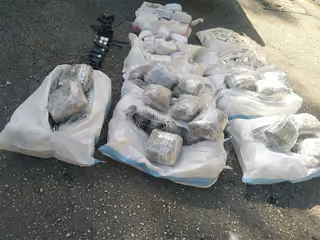
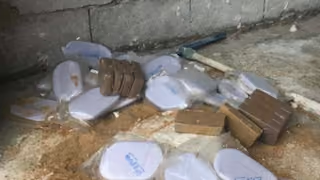
Lebanon’s Internal Security Forces stopped eight trucks heading to the Beirut port that were carrying thousands of plastic bags of soil.[1][2] After a three-month follow-up by the Central Anti-Narcotics Office of the Judicial Police Unit, inspectors opened the containers at the port on 24 March and found huge quantities of hashish, about 25 tonnes, professionally hidden inside the soil bags.[1][2] The force called it the largest quantity ever seized in Lebanon’s history, ready for trade, sale and smuggling abroad to an African country it did not name.[1][2]
Strains with brand names
The seized marijuana came in varieties with names including “Beirut mood”, “Spring flower” and “Kiki do you love me”, the ISF said.[1] Consuming, growing and selling marijuana is illegal in Lebanon, though production in the marginalised east blossomed during the 1975–1990 civil war and has since grown into a multi-million-dollar business.[1][2] In 2016 the United Nations Office on Drugs and Crime ranked Lebanon the third main source of cannabis resin in the world, after the far larger producers Morocco and Afghanistan.[1]
A vote on legal cultivation
Lebanon’s parliament was set to vote on a law legalising cannabis cultivation for medical and industrial use, pitched as a way to boost the crippled economy and curb illicit production.[1] Security forces regularly intercept attempted drug exports at Beirut airport and destroy marijuana fields, while growers have protested the lack of livelihood alternatives and at times fought the eradication crews.[1][2]