Kabul police seize 23 kg of hashish in three districts; eight held
Counter-narcotics police in Kabul seized 23 kilograms of hashish and detained eight suspects in operations in the 4th, 15th and 17th police districts, the Ministry of Interior said. Officers also took about 38,000 narcotic tablets, whose type the ministry did not identify; the ministry said the eight would go to judicial authorities after preliminary investigations.
🇦🇫 4th, 15th and 17th police districts, Kabul · Afghanistan
Counter-narcotics police in Kabul seized23 kilograms of hashish and detained
eight suspects, the Ministry of Interior said on Sunday, 8 February 2026.[1]The operations took place in areas of the capital’s 4th, 15th and 17th police
districts.[1]Police also seized about 38,000 narcotic tablets in the same
raids; the ministry did not identify the tablets and they are not counted as
cannabis.[1]
The ministry said the eight detainees would be handed to judicial authorities
after preliminary investigations.[1]A ministry statement carried by The Kabul
Times described coordinated operations across Kabul’s 4th, 15th and 17th
districts, with the substances seized within the past day.[2]
The Kabul Times put the tablet seizure at 38,200, all of them described as K
tablets, and reported the same eight arrests and 23 kilograms of hashish.[2]Pajhwok’s Pashto version reported the same figures, describing the 23 kilograms
as charas, the local term for hashish.[3]
The Kabul Times reported the ministry as saying anti-drug operations had
increased significantly across the country in recent months.[2]
Photos and video
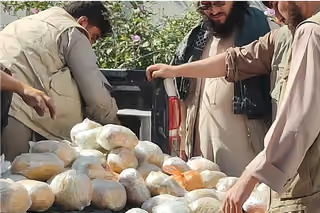
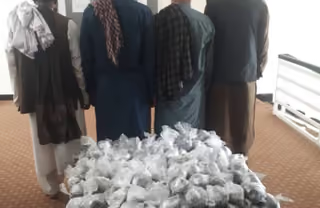
Hashish displayed as seized material, published with the report on the Kabul raids; the page gives no caption or credit for the photo.Photo details
The ministry statement gives no separate date for the raids; 8 February 2026 is described as the day the ministry spoke and stands in as the incident date.
Pajhwok reports about 38,000 tablets without naming the type; The Kabul Times gives 38,200 and calls them K tablets, so the tablet count is left out of the figures and the difference is unresolved.
The 23 kilograms is the rounded figure both accounts give; no exact weight was published.
No charges, court referral date or outcome for the eight detainees was reported beyond the ministry's statement that they would be handed to judicial authorities.
Pajhwok's page photo is headed and captioned only with the story title; it is understood to show the seized hashish but no caption or credit names the seizure or the photographer.
An Afghanistan Times article on the same ministry statement could not be opened, and Pajhwok's Pashto text is the same newsroom report, so the two English accounts are not fully independent.
Counter-narcotics police in Afghanistan's Takhar province stopped a car in Taluqan, the provincial capital, and arrested four suspected traffickers. Police said 40 kilograms of hashish and 143 kilograms of opium were hidden in compartments in the vehicle, and the provincial police spokesman put the narcotics seized at more than 180 kilograms.
Police in Pasaband district, Ghor detained 27 people and destroyed eight drug factories during a 20-day operation, seizing 8.5 kg of processed hashish among other drugs and vehicles. The detainees were referred to court and all seized narcotics were destroyed by burning.
Khost anti-narcotics officers seized about 3.2 kg of hashish and more than 3,215 narcotic pills in Speri district, arresting one person. The hashish is the cannabis component of the mixed seizure; the pills and a further 1.4 kg were reported without a clear cannabis link.
Anti-narcotics police stopped a shipment of 245 kilograms of hashish in the Kotol Anjuman area of Paryan district, Panjshir province, and arrested four people. The suspects were referred to judicial authorities after initial questioning. The ministry did not say where the shipment was going.